
6. PRODUCTS AND MATERIALS
There are a variety of products available for the management of UI, and it is important that healthcare professionals have a comprehensive knowledge of both products and application techniques before applying a MEC. [7,13]
6.1 Common MEC types
[7,42]
a. Self-adhesive MEC (one-piece system)
Self-adhesive MECs consist of three parts: the connecting tube, buffer zone and adhesive zone. The size of the three parts differs between companies and products.
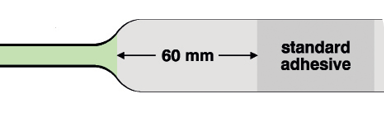
 < connecting tube > < buffer zone > < adhesive zone >
Fig. 7. The 3 parts of a self-adhesive MEC
(Source: Manfred Sauer GmbH)
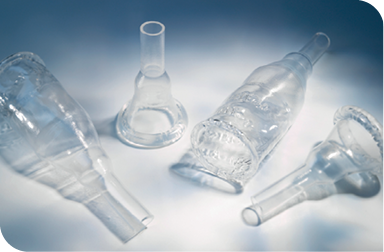
Fig. 8. Various self-adhesive MECs
(Source: unknown)
b. MEC with separate fixation (two-piece system)
- MEC with double-sided adhesive
- MEC with skin glue (tube/spray)
- MEC with Velcro or external bandage
6.2 Special MEC types
a. MEC with balloon principle
The inflatable retention ring secures the catheter and can be easily deflated for removal. The retention ring must be positioned behind the head of the penis.

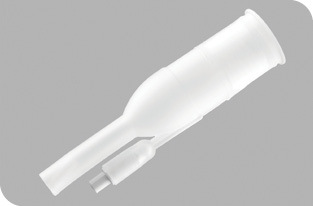
Fig. 9. MEC with balloon principle
Cook® Nonadhesive Silicone Condom Catheter principle
(Source: Cook Medical)
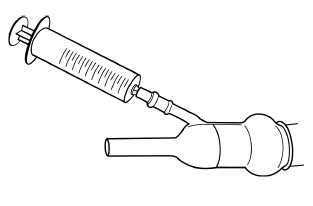
Fig. 10. Inflating the ring of a MEC with balloon
(Source: Cook Medical)
b. Drip urinal. This consists of a tubular sleeve, which encompasses the penis at one end and a hose-fitting outlet at the other end. The outlet can be drained by means of a tap. Some drip urinals allow for connection of multiple drainage bags in order to decrease reservoir emptying. [43]
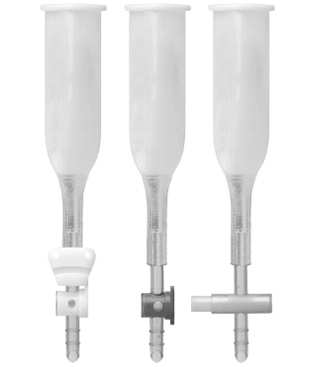
Fig. 11. Drip urinals with different taps
(Source: Manfred Sauer GmbH)
c. Pubic-pressure MEC/body-worn urinals. These are designed for men who find traditional MECs unsuitable, or if the MEC is not successful; for example, retracted penis or if there are irritants in the urine (e.g., following chemotherapy). The MEC is held close to the body by waist and groin straps. This pressure allows the penis to protrude into the MEC. This system is not suitable for overnight use because of urine leakage.
d. Male external device
This device is placed on the glans of the penis and can be used by men with a retracted penis.

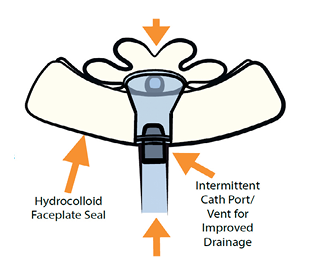
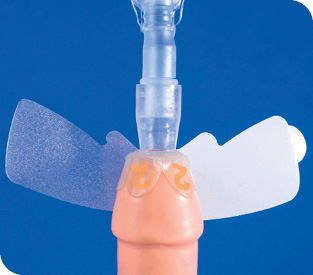
Fig. 12 & 13 MEC that is applied to the glans of the penis
Men’s LibertyTM
(Source: BioDerm)
e. KIC Sheath, Connector and KIC Sheath Expander

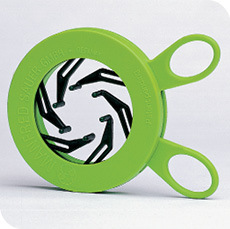
Fig. 14a KIC Sheath Expander
KIC-System®
(Source: Manfred Sauer GmbH)
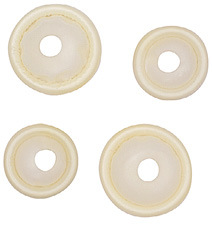
Fig. 14b KIC Sheaths
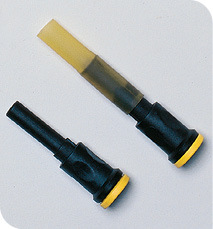
Fig. 14c KIC Connectors with and without connecting tube
A special MEC with a hole and a connector instead of a fixed tube to catheterise more than once a day. With the MEC Expander the opening of the male external catheter can be widened and pulled up to allow disinfecting and catheterisation. After catheterisation the MEC is pulled down again and reconnected to the drainage bag. The MEC can be fixed in position with doubled-sided adhesive tape or liquid skin adhesives.
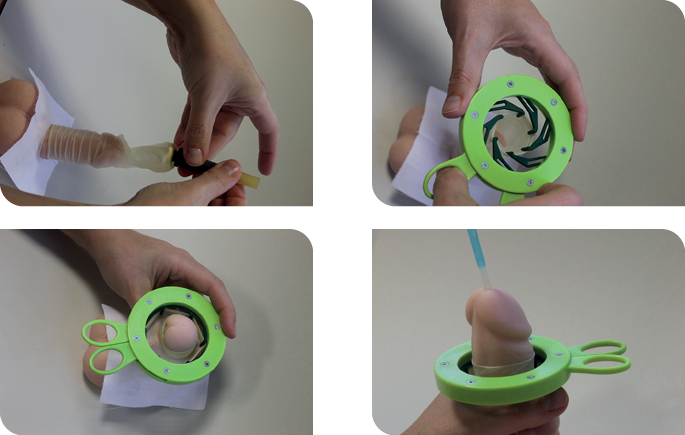
Fig. 15. Step 1, 2, 3 & 4 of the use of the KIC Sheath Expander
KIC-System®
(Source: V. Geng/ Manfred Sauer GmbH)
6.3 MECs with special features
a. MEC that contains an anti-reflux valve (inner flap)
Prevents urine backflow and leakage.
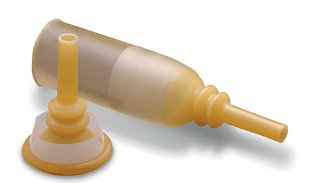
Fig. 16. Latex MEC with an anti-reflux valve
Extended Wear Male External Catheter
(Source: Hollister Incorporated)
b. MEC with applicator or special help stripe
These types of MEC improve handling. The loop of the help stripe can be pulled which makes rolling out the MEC easier.

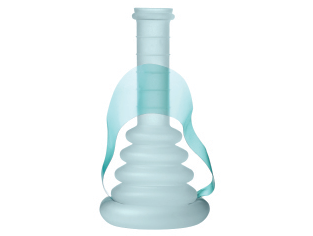
Fig. 17. MEC with help stripes
Conveen® Optima urisheath
(Source: Coloplast)
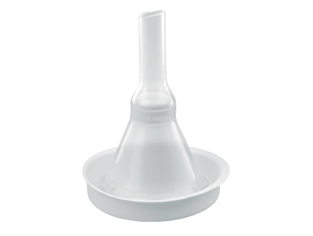
Fig. 18. MEC with adapter
Urimed® Vision Ultra Short
(Source: BBraun)
c. MEC with anti-kinking/twisting features
Some MECs have features intended to improve drainage by reducing kinking and twisting at the distal end, near the connection to the drainage bag tube. [10]
Fig. 19. MEC with double convolutions that resist kinking and twisting
Everyday Wear Male External Catheter
(Source: Hollister Incorporated)
d. MEC with anti-blow off features
Some MECs have features intended to reduce the likelihood of the sheath blowing off at high urine flow rates. [10]
6.4 Adhesives for MEC
There are different types of adhesives that are used to attach MECs to the penis.
a. Self-adhesive MEC
The ready-to-use condom has a sticky film on its inner surface, which attaches the MEC to the penis. The MEC can be rolled up and fixed in place. There are variations among the different types of adhesives, the position where the adhesive is positioned on the MEC, as well as how large the adhesive area is.
b. Adhesive strips (tape/liners)
Some MECs require a double-sided adhesive strip to attach them to the penis. The adhesive strips are placed onto the penis (encircling it) and the MEC is rolled over the penis, attaching to the adhesive strips. The thickness and size of the strips can vary.
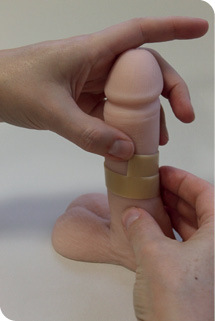
Fig. 20. Adhesive strips
(Source: V. Geng/Manfred Sauer GmbH)

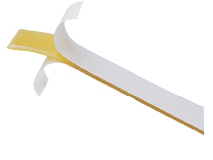
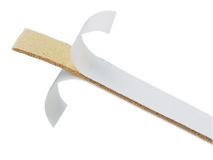
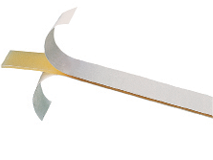
Fig. 21 a, b, c. Double sided adhesives
(Source: Manfred Sauer GmbH)
c. Skin adhesives (spray and paste)
There are non-self-adhesive MECs that do not contain an adhesive film, so they require application of a skin glue onto the skin before rolling the MEC over the penis.
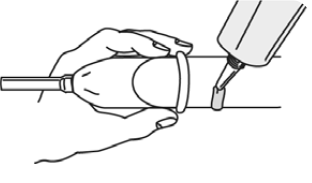
Fig. 22. Application of glue
(Source: Manfred Sauer GmbH)
d. External fixatives (elastic foam or latex with Velcro)
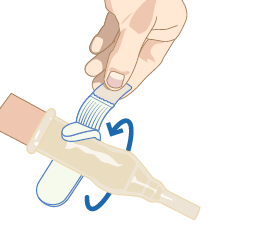
Fig. 23. Velcro fastener for fixation of the MEC
Ruecco Fix
(Source: Teleflex Medical)
Reusable foam and elastic strips, secured by Velcro, are available. Securing a MEC to the penis without using any adhesives generally results in less secure fixation. However, some men prefer this method; especially in cases where the catheter is removed and replaced frequently. [44] Using external fixatives may be associated with an increased risk of penile strangulation. External fixatives are sometimes placed on the end of the MEC for extra security (also when using a one-piece system).
e. Skin adhesive strengthener
Skin adhesive strengthener has a high content of alcohol that gives it cleaning, degreasing and disinfecting properties. It forms an elastic film on the skin, which allows the skin to breathe. Cleansing of the skin and formation of the film generally improve the adhesive strength of a MEC (self-adhesive, with skin adhesive or adhesive strip). In addition to these properties, skin adhesive strengthener can protect the skin.
6.5 Materials used for MECs
a. Silicone
Silicone is a translucent and breathable material that is biocompatible. Allergic reactions are rare. Its “skin-friendliness” can be considered its greatest advantage. In addition, the translucent material provides a view of the skin that allows one to recognise any irritation or emerging skin problem.
b. Polyvinyl chloride
Polyvinyl chloride (PVC) is a synthetic and resistant material, which may be exposed to sunlight, urine and mechanical impact. The production of PVC, however, requires the incorporation of plasticisers. Such softeners may be hazardous in long-term users, which should be taken into consideration when deciding to use PVC products for a long period.
c. Polyurethane
Polyurethane (PU) is a synthetic material and many latex-free MECs are made from PU. PU MECs are thinner than other types. This results in improved wearer comfort compared to other materials. Some types of PU may cause allergic skin reactions. However, these PU types are not usually used in MECs.
d. Latex
Latex is a soft and flexible natural product. Unfortunately, some patients may have latex sensitivities and develop an allergic reaction. For this reason, in several European countries (e.g., the UK, the Netherlands and Sweden) the use of latex products in the medical environment is slowly being phased out. There are several alternative (latex-free) products available. In patients with adhesive problems, latex MECs could be helpful because their elasticity is not matched by alternative MECs.
6.6 Urinary bags and collecting systems
The choice of drainage bag is dictated by several factors:
- reason for use
- intended duration
- patient mobility
- patient choice.
Consideration should be given to the following.
Bag capacity and placement
The size of leg bags ranges from 200 to 900 ml but usually a 500-ml leg bag is used. Patients might use a smaller bag (200-250 ml) for sports, or in summer time (e.g., when wearing shorts) or a larger one (1.5-2 l) (e.g., at night).
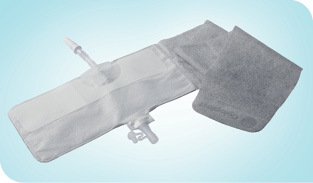
Fig. 24. Leg bag
Conveen® Active leg bag
(Source: Coloplast)
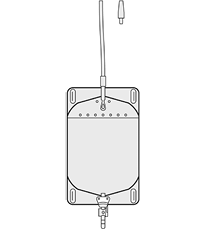
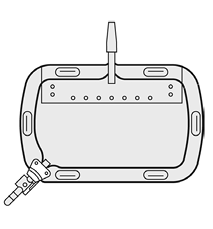
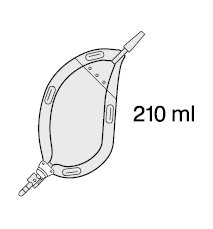
Fig. 25, 26, 27. Leg bags in various sizes
(Source: Manfred Sauer GmbH)
Fixation

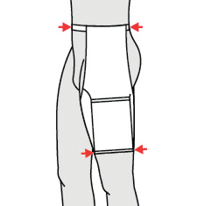
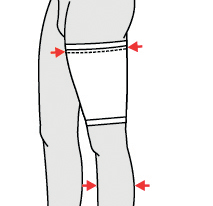
Fig. 28 & 29. Various leg bag holders
(Source: Manfred Sauer GmbH)
Sometimes an external waist belt is used for fixation of the urinary drainage system (leg bag holder) to ensure, that no strain is placed on the MEC.
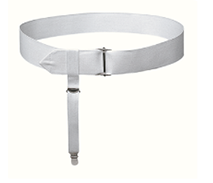
Fig. 30. Waist belt for fixation of the urinary drainage system
(Source: Manfred Sauer GmbH)
Tubes and taps
There are at least three different tube lengths: direct connection (without tube), 10 cm and 30 cm. Some manufacturers may offer additional lengths. Some tubes can be made to the correct length by the patients themselves. Selection of the correct length of tube is necessary to prevent any twists that might result from coiled tubing.
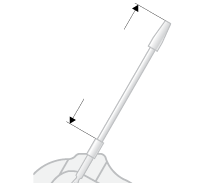
Fig. 31. Tube length
(Source: Manfred Sauer GmbH)
Choosing a tube to connect the urinary bag to the MEC is dependent on the radius of the tubes of the MEC and the urinary bag. Several connecting tubes (adapters) are pictured below.
Different kinds of taps are pictured below.
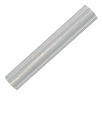
Figs. 32. Tube without adapter
(Source: Manfred Sauer GmbH)
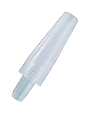
Figs. 33. Tube with universal adapter
(Source: Manfred Sauer GmbH)
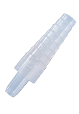
Figs. 34. Tube with rigid universal adapter
(Source: Manfred Sauer GmbH)
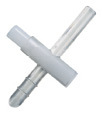
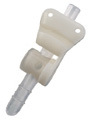
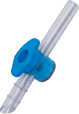
Fig. 35., 36. & 37. Valve taps to close a catheter: swing tap, turn tap or slide tap
(Source: Manfred Sauer GmbH)
| Recommendation | LE | GR |
| In case of urine leakage or retracted penis consider a MEC with special features (see Chapter 6.3) | 4 | C |